

When it comes to choosing a yurt tent for kids, one of the most common questions parents and caregivers ask is, "How many kids can a yurt tent accommodate?" As a dedicated supplier of Yurt Tent For Kids, I've had the privilege of helping numerous families find the perfect tent for their little ones. In this blog post, I'll delve into the factors that determine a yurt tent's capacity and provide some practical guidelines to help you make an informed decision.
Factors Affecting Yurt Tent Capacity
Tent Size
The most obvious factor influencing the number of kids a yurt tent can hold is its size. Yurt tents come in a variety of diameters, typically ranging from small, intimate models suitable for one or two children to larger structures that can accommodate a small group. A general rule of thumb is to measure the floor area of the tent in square feet. For a comfortable play space where kids can move around freely, you should allocate about 10 - 15 square feet per child.
For example, a small yurt tent with a diameter of 4 feet has a floor area of approximately 12.6 square feet (using the formula A = πr², where r is the radius). This size is best suited for a single child who wants a cozy, private space to play or read. On the other hand, a larger yurt tent with a diameter of 8 feet has a floor area of around 50.3 square feet, which can comfortably fit 3 - 5 kids, depending on their age and activity level.
Activity Type
The type of activities the kids will be doing inside the tent also plays a significant role in determining capacity. If the tent is primarily for quiet activities like reading, coloring, or storytelling, you can fit more kids in it as they will be sitting or lying down in a relatively small space. However, if the tent is for active play, such as running around, playing games, or having a pillow fight, you'll need to allocate more space per child to prevent accidents and ensure everyone has enough room to move.
For instance, if you're planning a playdate where the kids will be engaged in energetic games, you might want to stick to the lower end of the capacity range. Conversely, for a calm sleepover or a quiet play session, you can push the limits a bit and fit a few more kids in the tent.
Age of the Kids
The age of the children using the tent is another important consideration. Younger kids generally take up less space than older kids and may be more willing to huddle together. Toddlers and preschoolers can often share a smaller tent more comfortably, while older kids may need more personal space.
For example, a 6 - foot diameter yurt tent might be perfect for a group of 3 - 4 preschoolers, but it could feel cramped for the same number of elementary - school - aged kids. As a result, when estimating capacity, it's crucial to take into account the age and size of the children who will be using the tent.
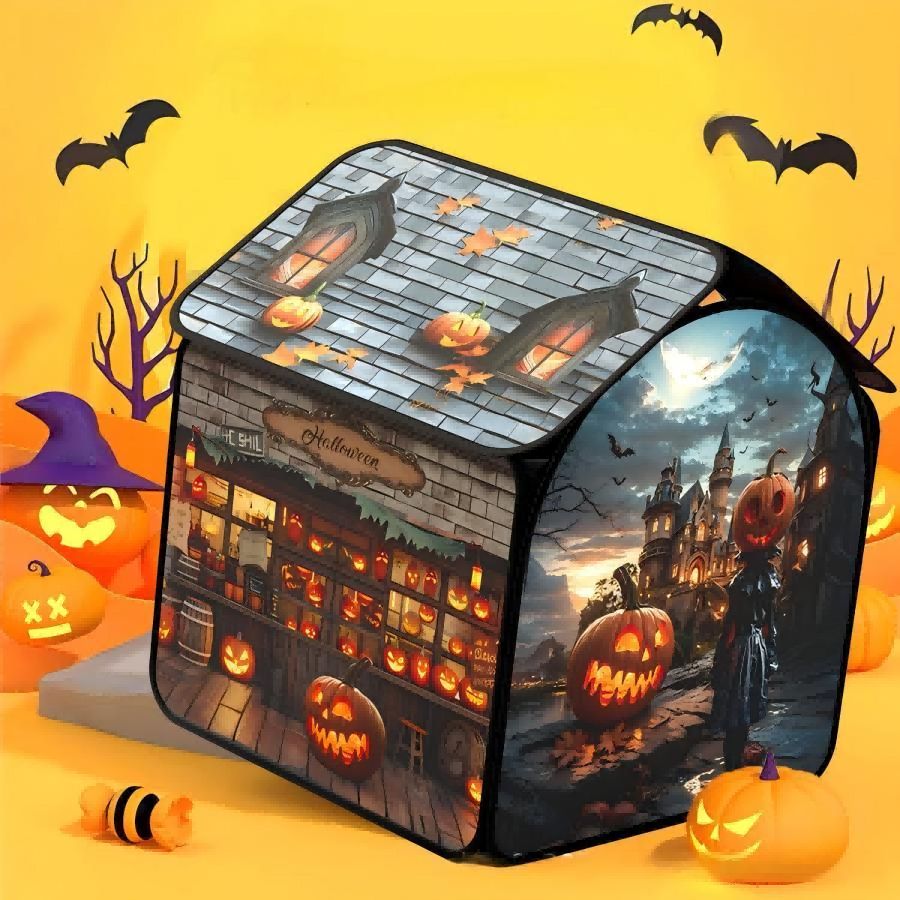

Our Yurt Tent Offerings and Their Capacities
Galactic Space Playhouse Tent
Our Galactic Space Playhouse Tent is a popular choice among kids who love space and adventure. With a diameter of 6 feet, it has a floor area of approximately 28.3 square feet. This tent is ideal for 2 - 3 kids who want to engage in imaginative play, such as pretending to be astronauts exploring the galaxy. The tent's unique design and vibrant colors add to the fun, making it a great addition to any playroom or backyard.
Hexagonal Castle Kids Tent
The Hexagonal Castle Kids Tent is a charming option for kids who love fairy tales and castles. Measuring 7 feet in diameter, it offers a floor area of about 38.5 square feet. This tent can comfortably accommodate 3 - 4 kids, allowing them to create their own magical kingdom inside. The hexagonal shape gives the tent a unique look, and the multiple entrances and windows add to the sense of adventure.
Festival Kids Playhouse Tent
Our Festival Kids Playhouse Tent is a large - scale option for bigger groups of kids. With a diameter of 10 feet, it has a generous floor area of around 78.5 square feet. This tent can easily fit 5 - 7 kids, making it perfect for birthday parties, family gatherings, or outdoor festivals. The tent's sturdy construction and high - quality materials ensure that it can withstand the wear and tear of active play.
Tips for Maximizing Tent Capacity
Use Multi - Level or Foldable Furniture
If you want to fit more kids in the tent, consider using multi - level or foldable furniture. For example, a small foldable table and chairs can provide a dedicated space for activities like drawing or playing board games, while also saving floor space. You can also use a small loft bed or a bunk bed inside the tent to create additional sleeping or resting areas.
Organize the Space Efficiently
Proper organization is key to maximizing tent capacity. Use storage bins or baskets to keep toys and other items neatly organized, so they don't take up unnecessary space. You can also create different zones inside the tent, such as a reading area, a play area, and a sleeping area, to make the most of the available space.
Encourage Cooperative Play
Teaching the kids to play cooperatively can also help you fit more of them in the tent. By encouraging activities that require teamwork and sharing, such as building a fort or playing a group game, you can reduce the amount of space each child needs and create a more enjoyable experience for everyone.
Conclusion
Determining how many kids a yurt tent can accommodate depends on several factors, including tent size, activity type, and the age of the children. By considering these factors and following the guidelines provided in this blog post, you can choose the right yurt tent for your needs and ensure that your kids have a fun and comfortable play space.
If you're interested in purchasing a yurt tent for your kids, I encourage you to explore our range of products. We offer high - quality, durable, and imaginative yurt tents that are sure to bring joy to your little ones. Whether you're looking for a small, cozy tent for a single child or a large, spacious tent for a group of friends, we have the perfect option for you. Contact us today to start the procurement negotiation process and find the ideal yurt tent for your kids.
References
- Mathis, A. (2018). "Child - Centered Design: Creating Spaces for Kids." Interior Design Journal.
- Smith, B. (2020). "Outdoor Play and Children's Development." Pediatrics Today.


