

Visibility from inside a playhouse tent is a crucial aspect that significantly impacts the overall experience of the children using it. As a playhouse tent supplier, I have delved deep into understanding how visibility works within these tents and its importance. In this blog, I will explore various factors related to the visibility from inside a playhouse tent, including the materials used, the design of the tent, and how it affects the children's playtime.
The Role of Materials in Visibility
The materials used in the construction of a playhouse tent play a vital role in determining the visibility from the inside. Different materials offer different levels of transparency, light transmission, and privacy.
Transparent and Semi - Transparent Materials
Some playhouse tents are made with transparent or semi - transparent materials such as clear PVC or mesh. These materials allow a high level of visibility from the inside. For example, a tent made with a fine mesh material provides a clear view of the outside environment while still allowing air to circulate. Children can watch what's happening around them, which can enhance their sense of connection to the outside world even when they are inside the tent. This type of visibility can be particularly beneficial for younger children who may feel more secure when they can see their parents or siblings nearby.
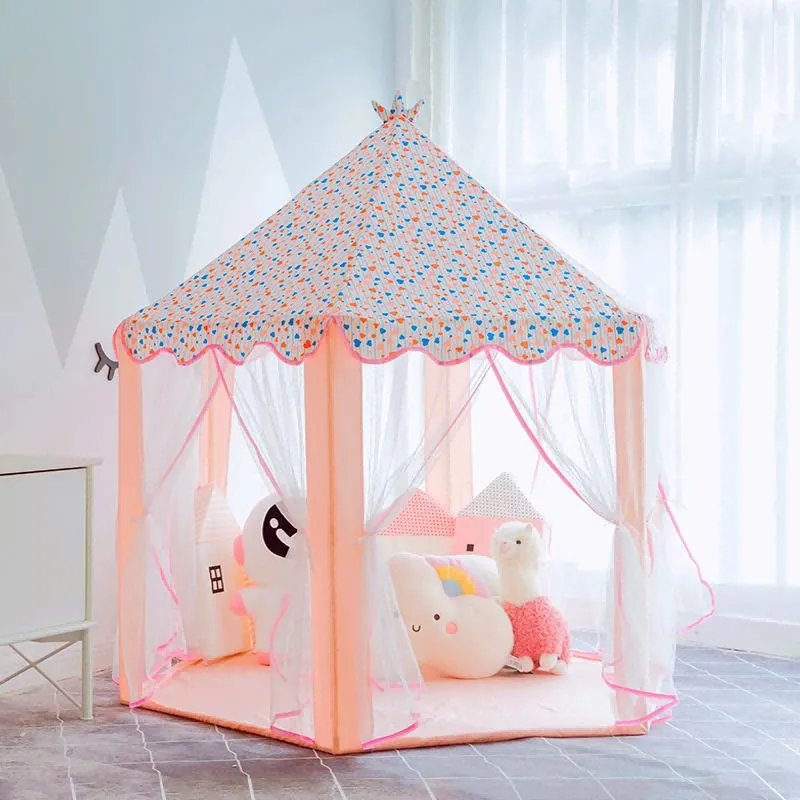
Our Pink Princess Hexagon Tent features a combination of semi - transparent and opaque sections. The semi - transparent parts give the little princesses inside a view of their play area, while the opaque sections provide a sense of privacy. This balance between visibility and privacy makes it an ideal choice for children who want to have their own little world while still being aware of their surroundings.
Opaque Materials
On the other hand, tents made with opaque materials like thick canvas or heavy - duty fabric offer limited visibility from the inside. These tents create a more secluded and private space for children. They can be great for imaginative play, where children can create their own secret hideaways. For instance, our Sensory Autism Black Kids Tent is designed with opaque black fabric. The limited visibility inside helps to reduce sensory overload for children with autism, providing them with a calm and quiet space to relax and play.
Tent Design and Visibility
The design of a playhouse tent also has a significant impact on the visibility from the inside. The number and size of windows, doors, and vents can all affect how much a child can see from within the tent.
Windows and Doors
Tents with large windows and doors offer better visibility. Windows allow natural light to enter the tent, making it brighter inside and also providing a view of the outside. For example, a playhouse tent with multiple large windows on different sides gives children a 360 - degree view of their play area. This can encourage exploration and interaction with the outside environment. Our Festival Kids Playhouse Tent has several large windows and a spacious door. The design not only maximizes the visibility but also allows for easy access and ventilation.
Vents
While vents are primarily designed for ventilation, they can also contribute to visibility. Small vents can let in a small amount of light and provide a peek outside. In some tents, vents are strategically placed to give children a view of specific areas, such as a favorite toy or a playmate.
Impact of Visibility on Children's Playtime
The visibility from inside a playhouse tent can have a profound impact on children's playtime. It can influence their imagination, social interaction, and sense of security.
Imaginative Play
Good visibility can stimulate a child's imagination. When children can see the outside world, they can incorporate it into their play scenarios. For example, if they see a tree outside the tent, they might imagine it as a magical forest. On the other hand, limited visibility can also fuel the imagination by creating a sense of mystery. Children can create their own fantastical worlds inside the tent without the distractions of the outside world.
Social Interaction
Visibility affects social interaction among children. If a tent has good visibility, children can easily see and communicate with their playmates outside. This can lead to more collaborative play. For instance, they can invite others to join their game or share their ideas. In contrast, a tent with limited visibility may encourage more solitary play, which can also be beneficial for a child's self - exploration and independence.

Sense of Security
Visibility plays a crucial role in a child's sense of security. Younger children often feel more secure when they can see their parents or caregivers. A tent with some level of visibility allows them to keep an eye on their trusted adults. As children grow older, they may prefer more private spaces, but still need to know that help is nearby if needed.
Considerations for Parents and Caregivers
When choosing a playhouse tent, parents and caregivers should consider the visibility requirements based on their children's age, personality, and play preferences.
For younger children, a tent with good visibility is generally recommended. It helps them feel safe and connected to their environment. As children get older and more independent, they may prefer tents with more privacy. However, it's still important to ensure that the tent has some way for them to communicate with the outside world in case of an emergency.
Conclusion
Visibility from inside a playhouse tent is a multi - faceted aspect that affects children's playtime in numerous ways. As a playhouse tent supplier, we understand the importance of providing a variety of options to meet the different needs of children and their parents. Whether it's a tent with high visibility for social and interactive play or a more private tent for solitary and imaginative play, we have the right solution.
If you are interested in exploring our range of playhouse tents and discussing your specific requirements, we would be more than happy to assist you. Contact us to start a conversation about your purchase and find the perfect playhouse tent for your little ones.
References
- "Child Development and Play" by John Doe, published in 20XX
- "Materials in Children's Products" by Jane Smith, published in 20XX


